
Subject to USCIS petition approval & individual eligibility.

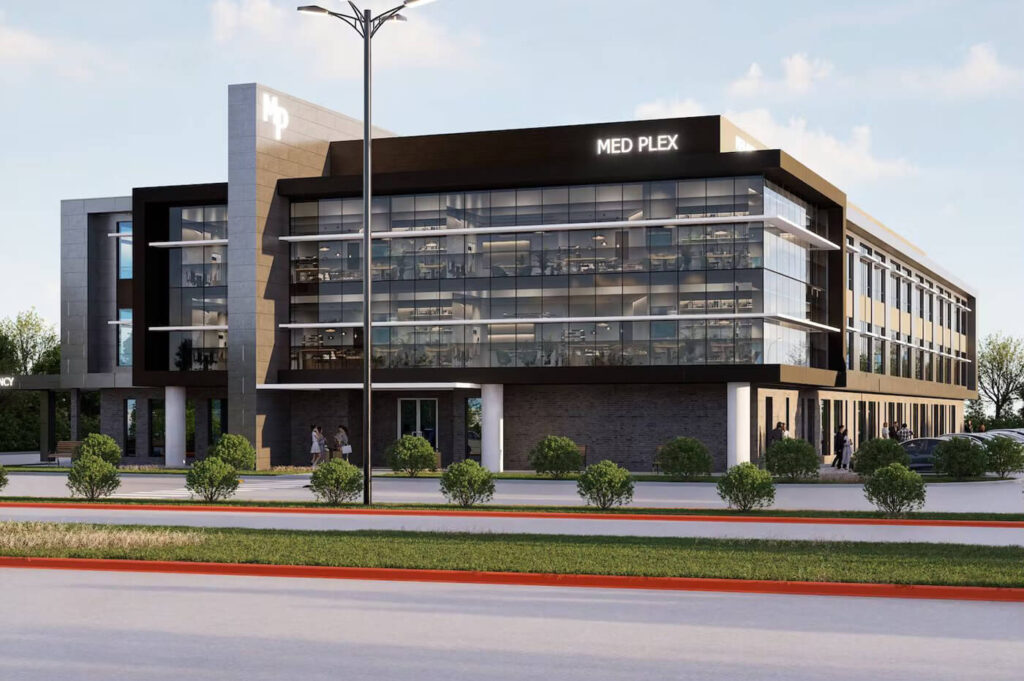
Project Site
Service
Service

Service
Service

Service
No employer sponsor. No state or city restriction. Change jobs, start companies, retire — your call.
Spouse and unmarried children under 21 are included on the same investment.
Often saves more than $200K across a four-year degree at top public universities.
Eligible to apply for naturalization after five years of permanent residency.




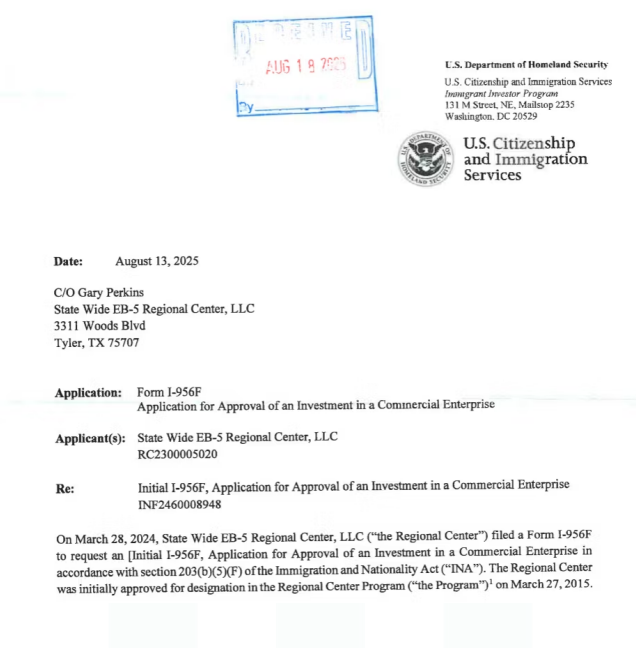
EB-5 is a U.S. immigration program that grants permanent residency (a green card) to foreign investors who invest in a USCIS-approved project that creates American jobs. One investment. Green cards for you, your spouse, and your unmarried children under 21 — subject to USCIS petition approval and individual eligibility. No employer sponsorship. No lottery. Not tied to country quotas the way EB-2 and EB-3 are.
$800,000 EB-5 capital + $75,000 one-time admin fee = $875,000 total.
Minimum of $800,000 assumes USCIS TEA designation. If TEA is not confirmed, the minimum rises to $1,050,000.
You also need to qualify as an accredited investor as defined under Rule 501(a) of Regulation D.
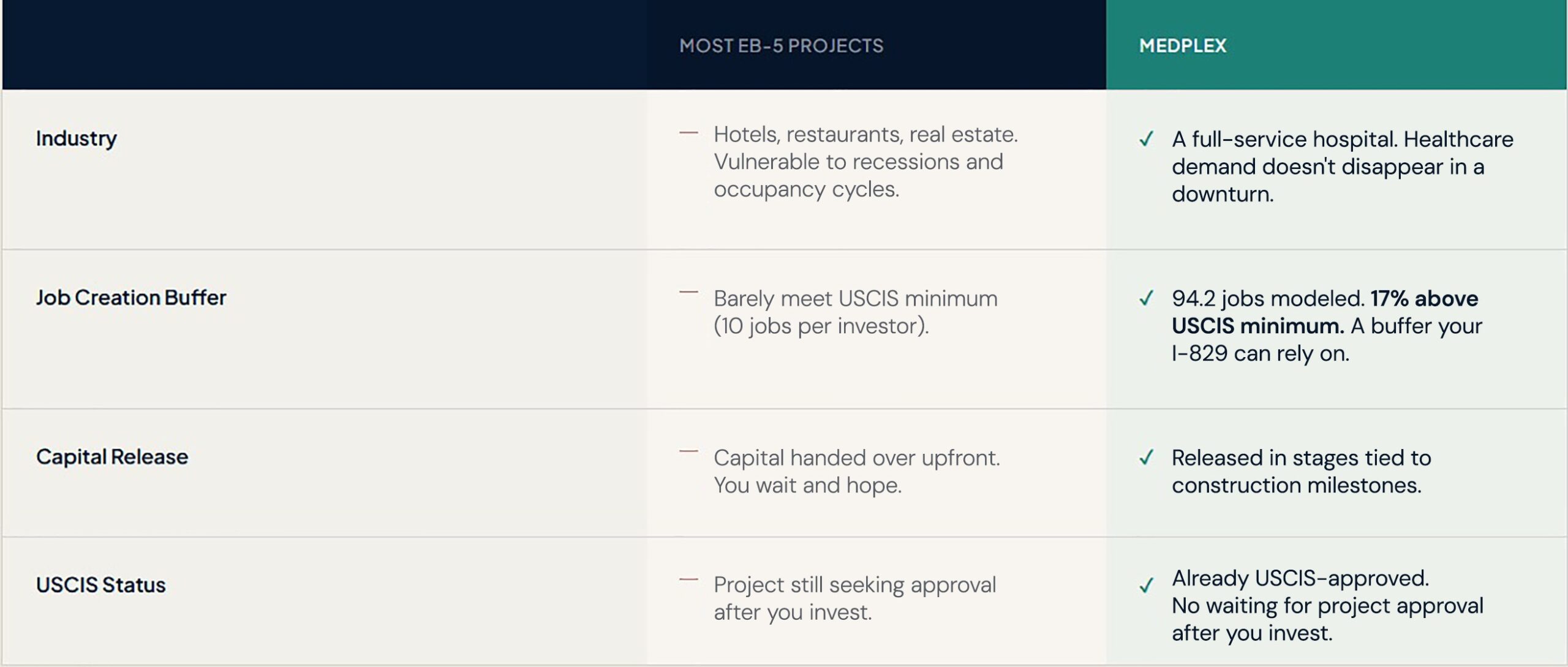
Most EB-5 projects in the U.S. are hotels or hospitality — sectors that stalled in 2008 and again in 2020, costing investors both capital and immigration outcomes.
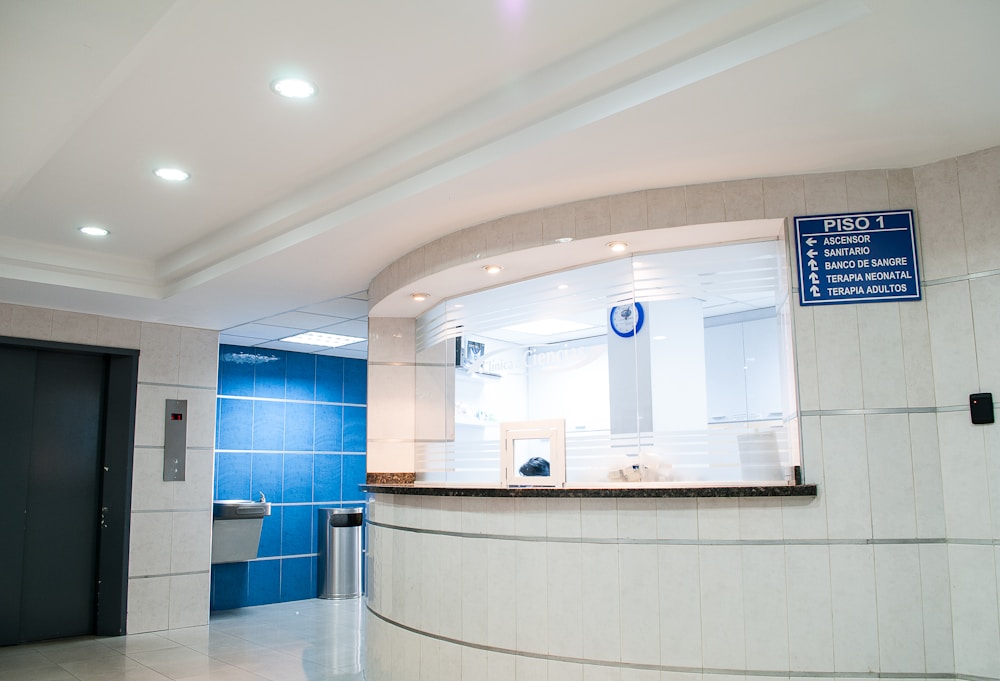
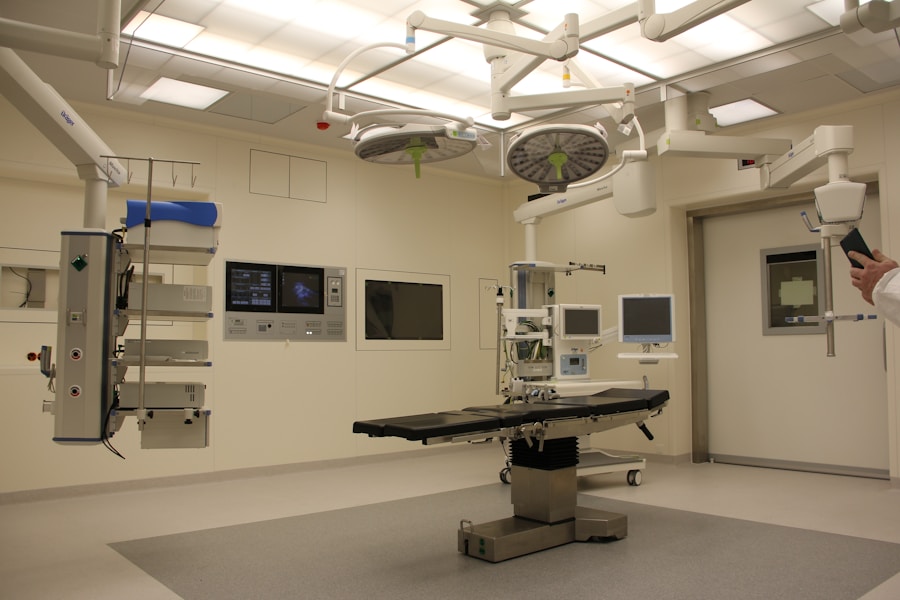
MedPlex is a hospital project in Katy, Texas — healthcare is recession-resistant in a way hospitality isn't. Offered through State Wide EB-5 Regional Center, LLC — USCIS-Designated for Texas (Designated March 27, 2015).
Generally 18–36 months for conditional residency, then conditional green cards for ~2 years, then permanent.
Estimates only. Actual timelines depend on USCIS processing, country of birth, and individual circumstances.